
Netflix has quietly become one of the best places on the internet to fall in love with anime and its library proves it. From psychological thrillers that rival prestige television to shonen epics that redefined an entire genre, from gut-punch character studies to slow-burn romances that linger for days, the best anime on Netflix spans nearly every emotion a story can offer. Whether you want mind-bending mysteries, generational sagas, or found-family action, this list breaks down the series actually worth clearing your schedule for and exactly why each one earned its place.
Baki Hanma (2021-2023)
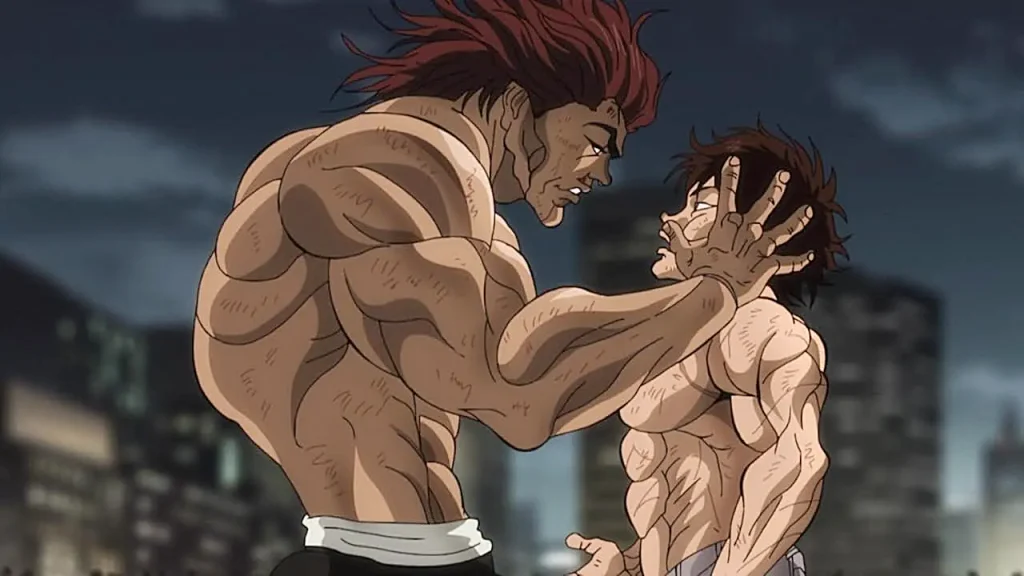
Baki Hanma has spent his entire life training for one impossible goal: becoming strong enough to face his own father. Yuujiro Hanma isn’t just dangerous – he’s widely regarded as the strongest creature walking the earth, a man armies fear more than nations. Every punch Baki throws, every opponent he survives, is really just another rung on a ladder built toward a confrontation he may not be ready for, no matter how much stronger he gets.
This is martial arts storytelling anime turned up to its most extreme, hyper-physical volume built for viewers who want fights choreographed less like sport and more like mythology. Underneath the spectacle sits a raw, almost primal question about legacy: what does a son owe a father built like a force of nature, and what does it cost to try to surpass him? Baki Hanma doesn’t ask viewers to look away from the brutality – it asks them to understand why it exists.
Lookism (2022)
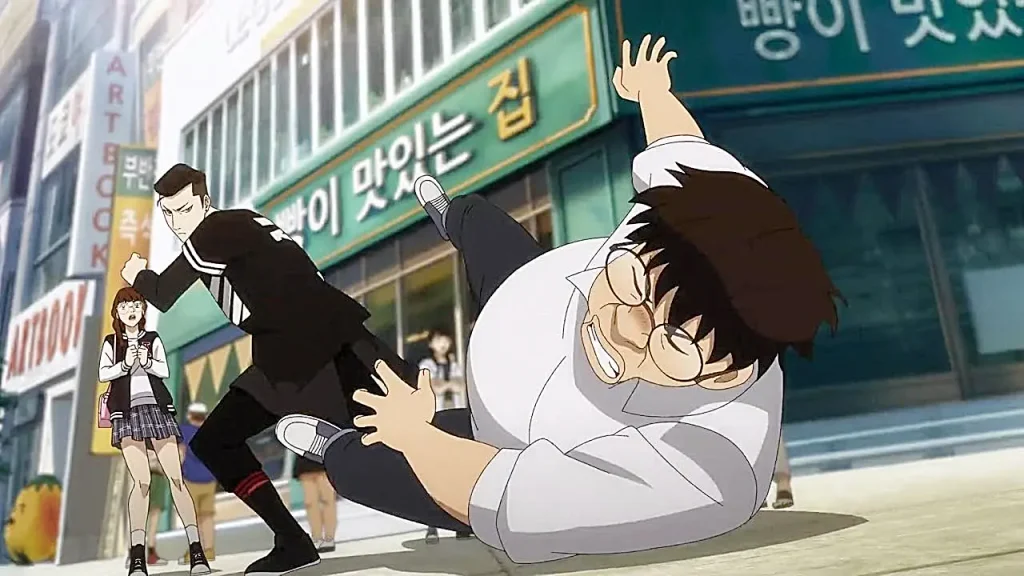
Park Hyung-suk has spent his life invisible in the worst way bullied, dismissed, defined entirely by how he looks. Then he wakes up in Seoul with a second body: tall, athletic, effortlessly handsome, and utterly unrecognizable as himself. He can switch between both his old life and a new one where people finally look at him differently. The question the story never lets him escape is which version of himself he actually is.
Lookism anime show is less about wish fulfillment than an unflinching study of a world that sorts people by appearance before it ever asks who they are. It’s built for viewers drawn to social dramas with real teeth stories about class, cruelty, and the masks people wear to survive it. Adapted from one of the most-read webtoons in history, with billions of views before it reached screens, it leaves audiences questioning how much of their own worth they’ve quietly outsourced to a mirror.
Death Note (2006-2007)
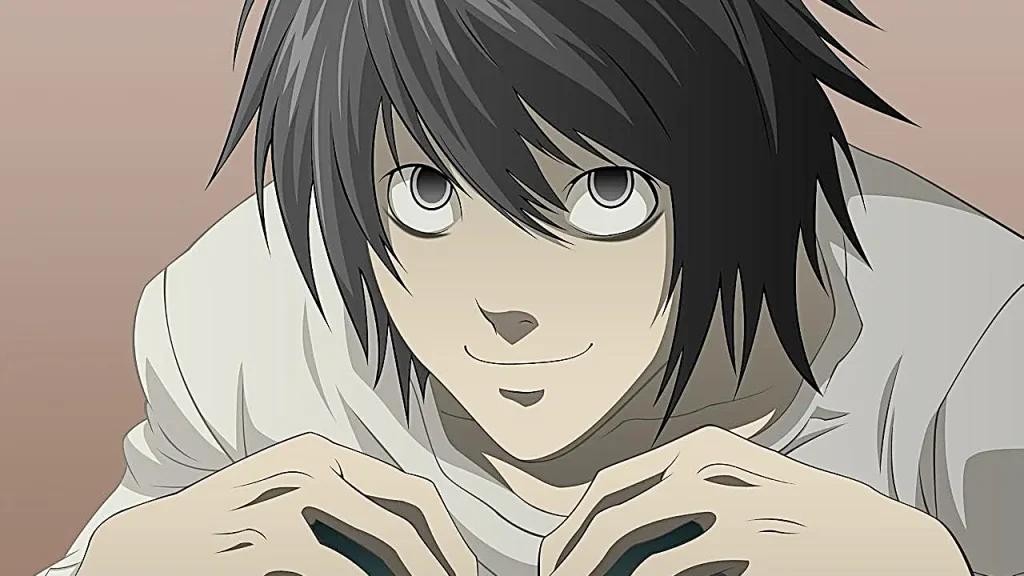
Light Yagami is a brilliant student bored by a world he considers beneath him, until a notebook falls from the sky that can kill anyone whose name is written in its pages. What starts as a test of power quickly becomes a mission: cleanse the world of criminals and remake it in his own image of justice. Standing in his way is a genius detective known only as L, and the two begin a battle of minds neither can afford to lose.
Death Note plays out less like a typical action anime and more like a psychological chess match, built for viewers who want their thrillers cerebral and morally uncomfortable. It’s less interested in who’s right than in how easily power convinces someone they are. Widely credited with introducing a generation of Western viewers to anime, it remains one of the highest-rated series in the medium’s history, proof a story about ideas can be just as gripping as one about action.
Orb: On the Movements of the Earth (2024-2025)
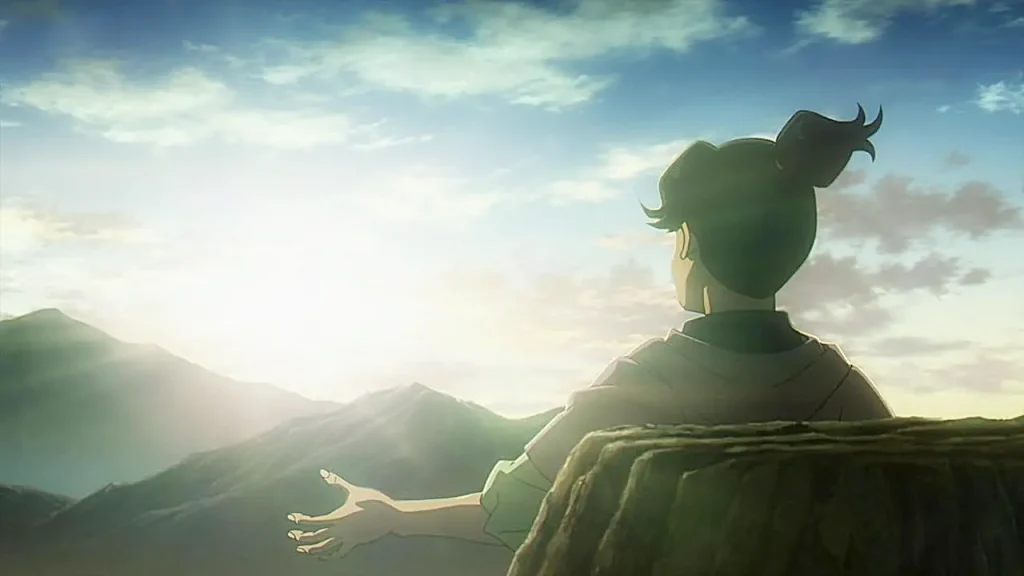
Centuries before satellites and space telescopes, a handful of people risked everything for a single idea: that the Earth moves around the sun, not the other way around. In a world where the Church treats that belief as heresy punishable by death, Orb follows generation after generation of thinkers who pick up the same forbidden question, knowing they may never live to see it answered – only to pass the search on to whoever comes next.
This is historical drama at its most intellectually urgent, built for viewers who want their stories to wrestle with faith, truth, and the price of curiosity itself. It’s less about astronomy than what people are willing to sacrifice for an idea bigger than their own lifetime. Adapted from a manga that won Japan’s prestigious Manga Taisho Award and drew Eisner Award recognition internationally, Orb stands as one of the most acclaimed anime of the decade – a quiet, devastating meditation on legacy.
The Summer Hikaru Died (2025)
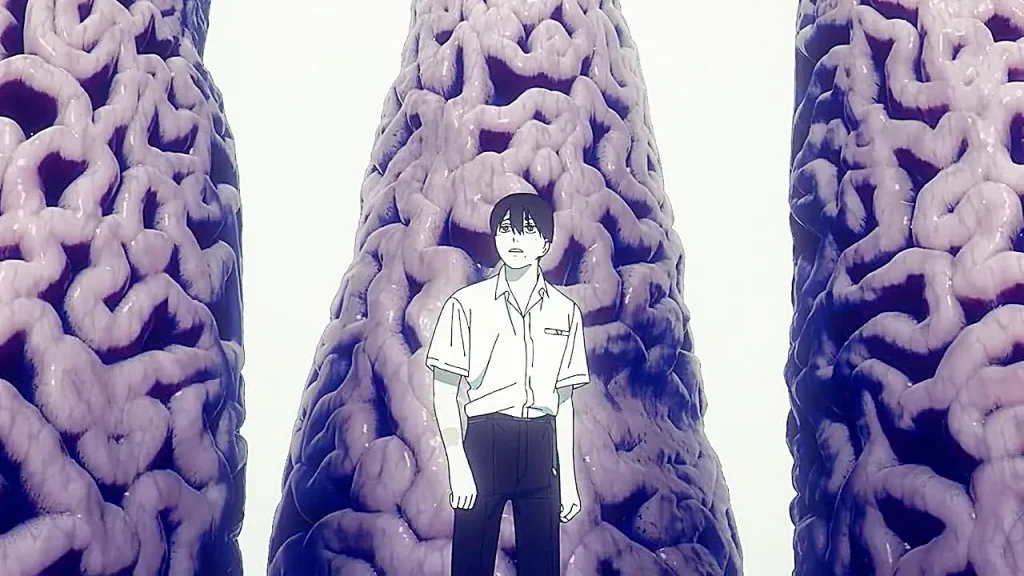
Yoshiki has known Hikaru his entire life but the thing wearing his best friend’s face isn’t Hikaru anymore, not really. Something else came back that summer day, something that remembers Hikaru’s laugh and his habits but not quite what it means to be human. Yoshiki knows the truth. He chooses to keep being his friend anyway, and that choice is where the real horror of this story quietly begins.
This is slow-burn folk horror for viewers who want dread that creeps rather than jumps – grief dressed up as a ghost story, and a ghost story dressed up as a friendship. Its real question isn’t what Hikaru has become, but what it says about Yoshiki that he can’t let go regardless. Since its debut, it’s become one of the most talked-about horror anime in years, precisely because its scares are emotional first and supernatural second.
PLUTO (2023)
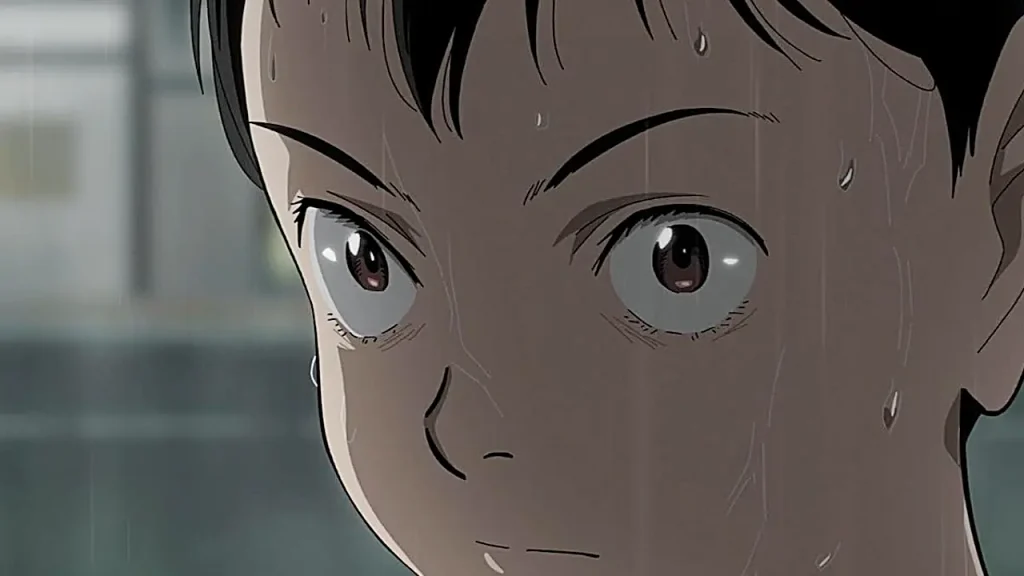
In a world where robots and humans coexist, a detective investigates a string of murders targeting the seven most advanced robots ever built – and the humans who created them. Gesicht is a robot himself, and each case pulls him closer to a conspiracy buried in a war everyone would rather forget. The deeper he digs, the less certain he becomes of where the line between machine and person actually sits, or whether that line was ever really there.
PLUTO is less a mystery than a meditation on grief, hatred, and what it costs to build peace on top of unresolved violence – built for viewers who want their science fiction asking bigger questions than “can machines feel.” Adapted from Naoki Urasawa’s original story, it’s widely regarded as one of the finest anime ever produced, earning near-universal critical acclaim and an International Emmy nomination. It leaves you questioning what actually makes anyone, human or otherwise, worth mourning.
One Piece (1999-present)
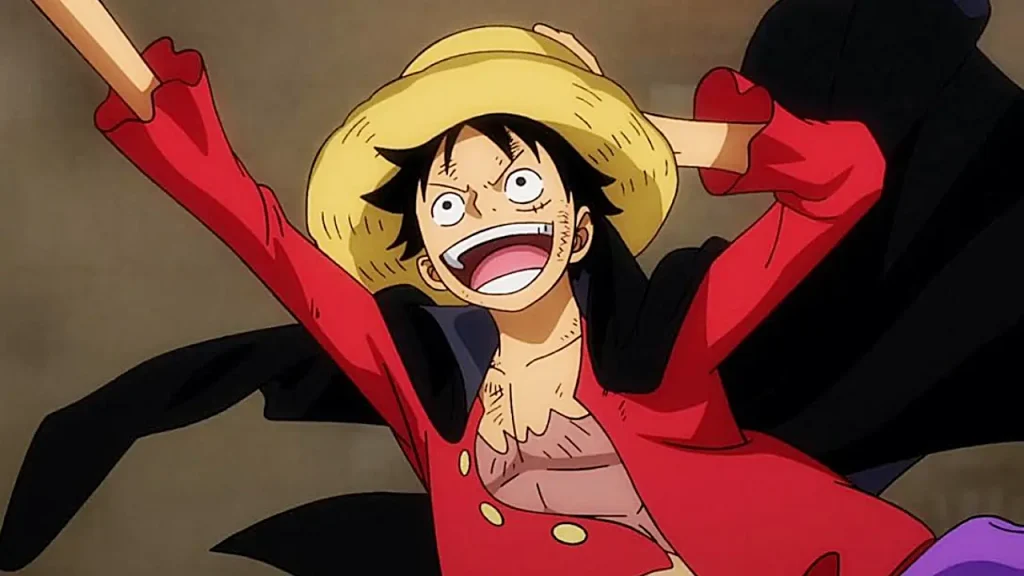
A rubber-limbed dreamer sets sail with nothing but a straw hat, a fierce sense of loyalty, and an absurd goal: find the greatest treasure ever hidden and become King of the Pirates. Monkey D. Luffys journey across the Grand Line pulls in a ragtag crew of misfits – a swordsman, a navigator, a doctor, a cook – each with their own scars and reasons for chasing freedom on the open sea.
One Piece anime endures because its silliness never undercuts its sincerity – this is a story that genuinely believes dreams are worth risking everything for, and that family is something you choose. It’s a perfect entry point for anyone new to long-form shonen looking for heart over grim edge. The scale of its impact is staggering: Eiichiro Oda holds the Guinness World Record for most copies published for a single-author comic series, north of 600 million and counting.
Naruto (2002-2007)
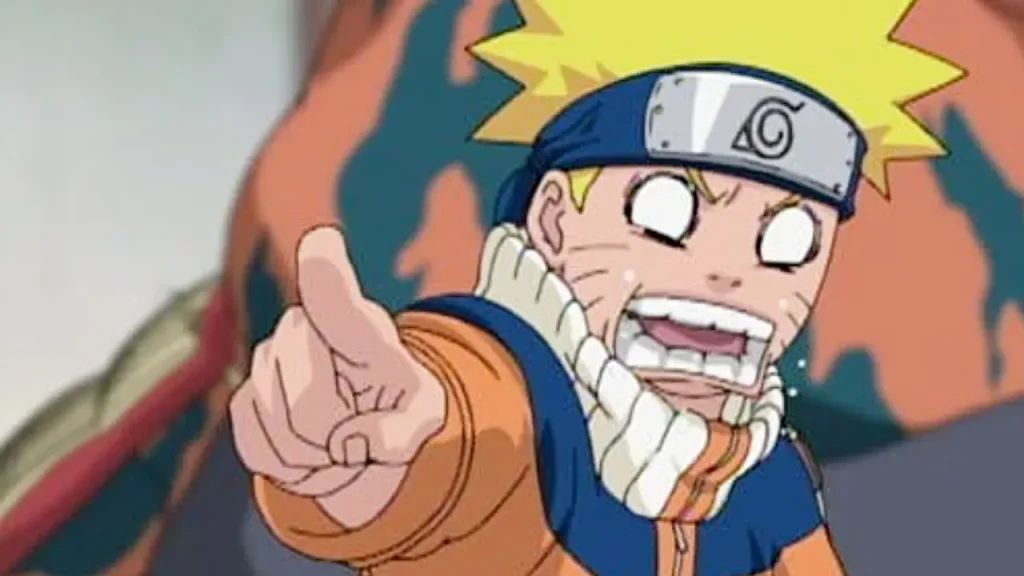
Naruto Uzumaki grew up feared and shunned by his entire village for a secret he never chose – a destructive spirit sealed inside him since birth. Written off as a lost cause by nearly everyone around him, he sets his sights on the impossible: becoming Hokage the village’s most respected leader, and earning the recognition he’s spent his whole life being denied. What follows is less about power than about proving belonging isn’t inherited – it’s built.
Naruto endures because it’s fundamentally about outsiders finding family in each other built for viewers who want coming-of-age stories with real emotional stakes behind the action. Its central idea that hatred is a cycle anyone can choose to break – resonates far beyond the ninja-world setting. With more than 250 million copies sold, and a legacy that helped define modern anime for an entire generation worldwide, it remains one of the most influential stories the medium has ever produced.
Jujutsu Kaisen (2020-present)
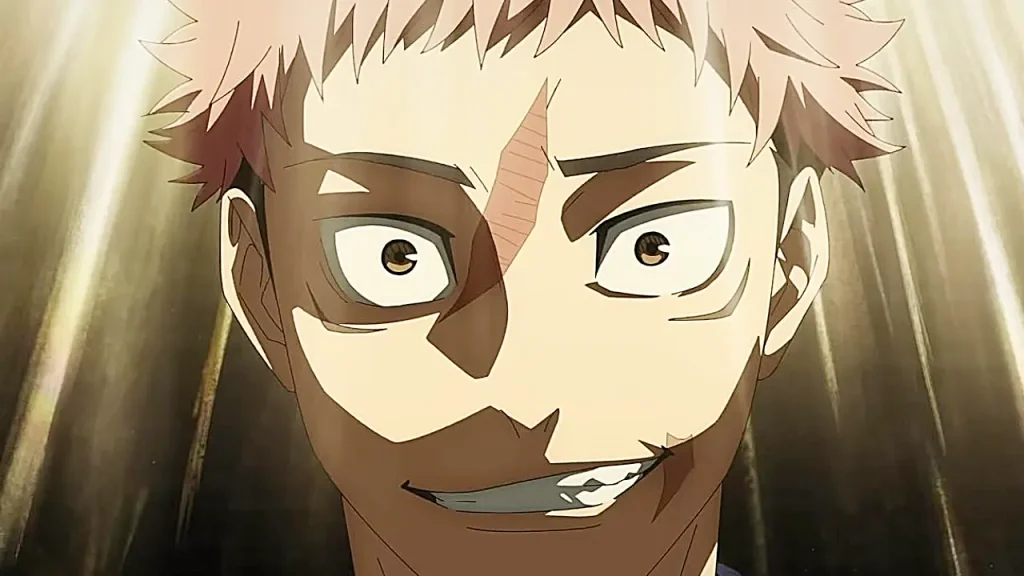
Yuji Itadori is an ordinary high schooler with extraordinary physical strength, right up until he swallows a cursed relic to save his friends and finds himself sharing his body, and his fate, with one of the most powerful monsters ever sealed away. Pulled into a hidden world where sorcerers battle curses born from human negativity, Yuji has to decide what kind of person to be when he’s living on borrowed time, one violent encounter at a time.
Jujutsu Kaisen thrives on a question most shonen anime avoid: what does it mean to live well when your death is already guaranteed? It’s built for viewers who want their action stylish and their stakes genuinely mortal. The franchise has become a global phenomenon in its own right, with its feature film breaking Japanese box office records and its releases routinely dominating global streaming charts – proof that stories about mortality can still be must-watch entertainment.
Demon Slayer (2019-2024)
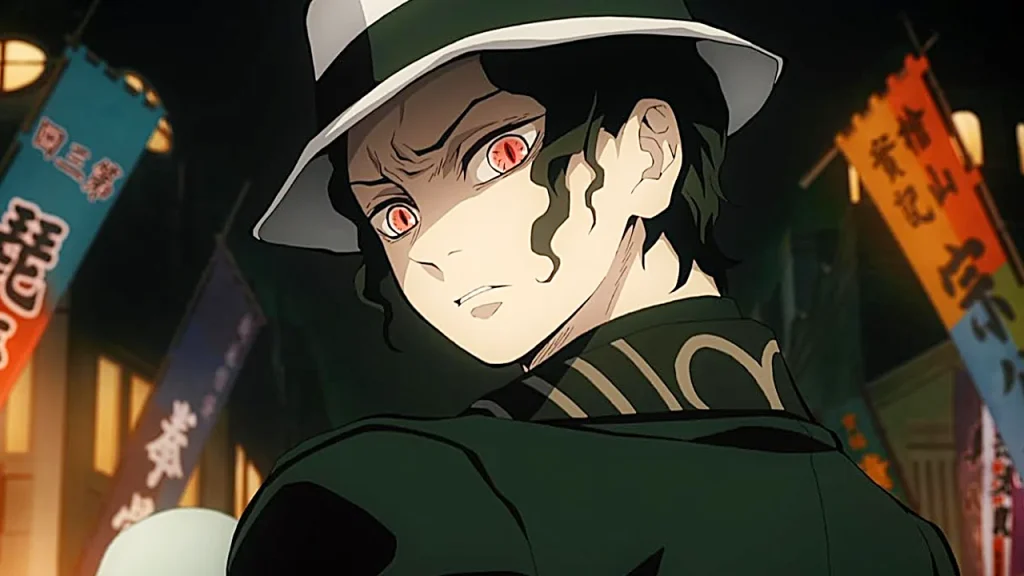
Tanjiro Kamado returns home to find his family slaughtered and his younger sister Nezuko transformed into the very thing that destroyed everyone else he loved. Instead of succumbing to hatred, he sets out on two missions at once: hunt the demons responsible, and find a way to turn his sister back into the human she still is somewhere underneath. It’s a story that refuses to let its villains be simple, or its hero’s grief be quiet.
Demon Slayer pairs breathtaking, painterly animation with a surprisingly tender core, built for viewers who want spectacle without sacrificing heart. Its real theme isn’t vengeance it’s compassion surviving trauma intact. Its Mugen Train film became the highest-grossing Japanese film ever released at the time, dethroning Spirited Away, turning a story about grief and family into one of the biggest cultural phenomena anime has ever produced.
Also Read – Christopher Nolan Movies Ranked: From $6,000 Debut to $7.7 Billion Filmmaker
Vinland Saga (2019-2023)
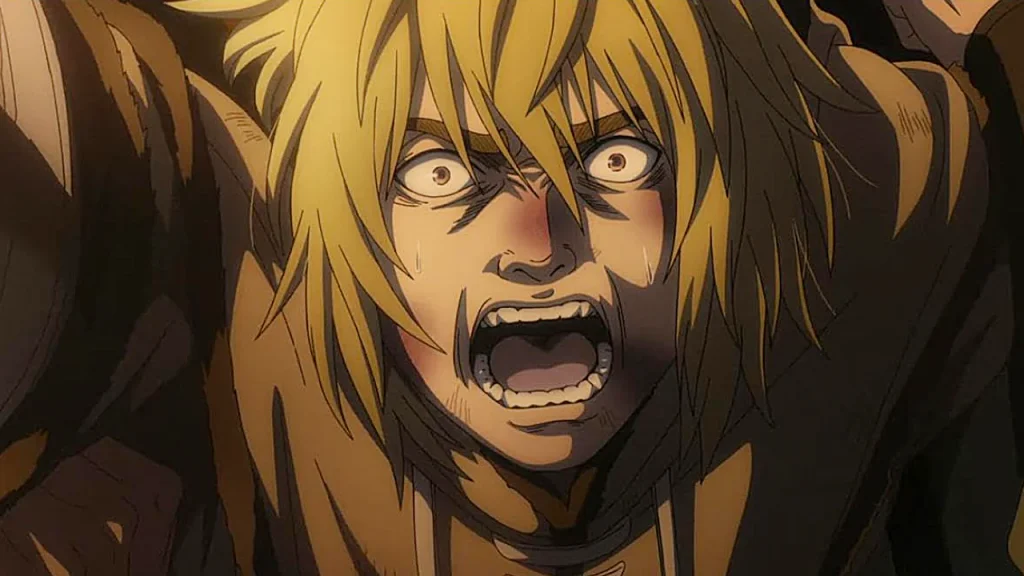
Thorfinn was raised on a single promise to himself: kill the man who murdered his father. He gets his chance, joining the mercenary crew responsible as a warrior desperate for revenge, watching Viking raids and political schemes reshape the world around him. But the closer Thorfinn gets to the vengeance he’s spent his whole life chasing, the more the story starts asking a question he was never prepared for: what happens after revenge stops meaning anything?
Vinland Saga starts as a brutal historical war epic and slowly transforms into one of anime’s most powerful arguments against violence itself, built for viewers who want their stories to genuinely evolve rather than repeat the same beats. Few shows manage to earn a pivot from bloodshed to pacifism this convincingly. Consistently ranked among the highest-rated seinen anime ever made, it leaves audiences with a rare takeaway: that real strength might be choosing not to fight at all.
The Fragrant Flower Blooms With Dignity (2025)

Rintaro Tsumugi comes from an elite prep school where reputation is everything. Kaoruko Waguri comes from a school known for the opposite. Their worlds were never supposed to overlap, until a chance meeting sparks something neither of them expects – a quiet, blushing connection they’re both too nervous to name, and too drawn to each other to walk away from. What unfolds is a slow tender dance between two people figuring out who they are outside of what everyone assumes about them.
This is a gentle, character-driven romance for viewers who want their love stories to breathe, built on longing glances and unspoken feelings rather than melodrama. Underneath the blush and butterflies sits a real critique of how easily people get boxed in by reputation before anyone actually gets to know them. Its breakout popularity turned it into one of the most talked-about romance anime shows in recent memory, proving quiet, sincere stories can still capture an audience just as fiercely as any action series.
Castlevania (2017-2021)
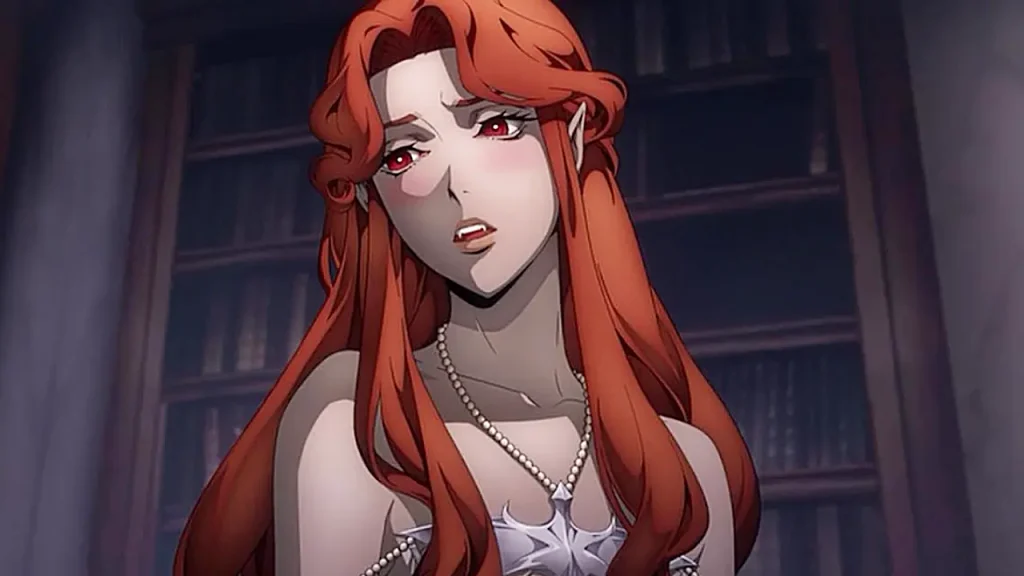
Few franchises survive the video-game-adaptation curse. Castlevania didn’t just survive it – it rewrote the rules. In a gothic, decaying Wallachia, disgraced monster-hunter Trevor Belmont is pulled back into the fight after a grief-shattered Dracula unleashes his armies on humanity. What starts as one man’s reluctant war soon becomes an uneasy alliance of outcasts, each with their own reasons to stand against the dark.
Beneath the gore, this anime series is a tragedy about grief curdling into violence and the cost of choosing mercy anyway. Fans of morally messy antiheroes and dark fantasy will find plenty to sink into, including rare sympathy for its own villain. It’s also a genre milestone: Castlevania became the first video game adaptation ever to earn a Certified Fresh rating on Rotten Tomatoes, proving the format could finally break its curse.
Frieren: Beyond Journey’s End (2023-present)
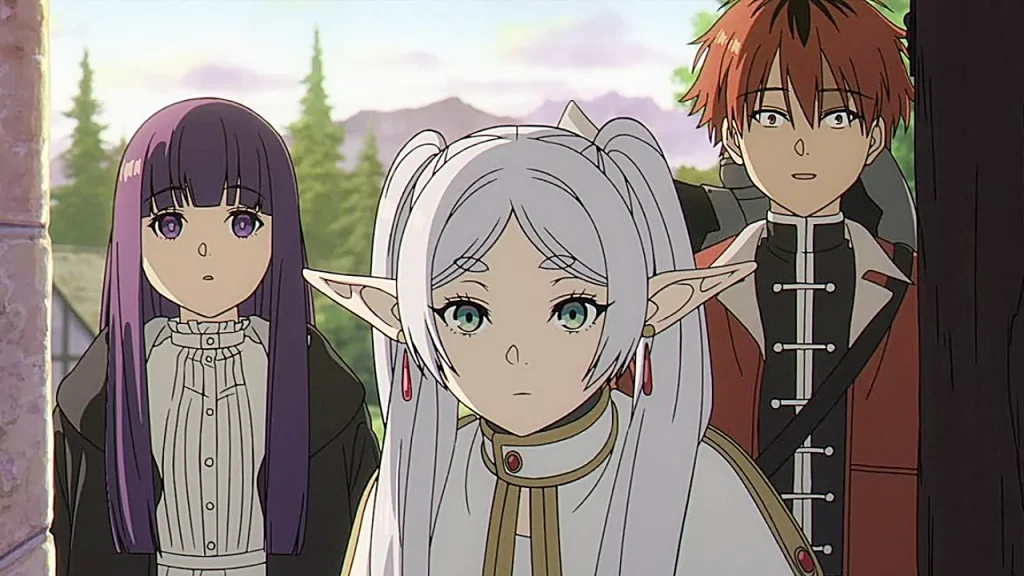
Most fantasy epics end when the demon king falls. Frieren begins there. Following an elf mage who fought alongside humanity’s greatest heroes, the story picks up decades after victory, as Frieren realizes she barely knew the companions she outlived. What follows is a quiet, unhurried journey across a world at peace – one built not around battles, but around a woman finally learning to notice the people, and moments, she let pass her by.
Frieren trades sword-and-sorcery spectacle for something rarer: a meditation on time, grief, and what it means to actually be present with people while you still can. It’s a gut-punch for anyone who’s ever wished they’d said more to someone before it was too late. The acclaim has been staggering – Frieren became the highest-rated series in MyAnimeList history and won Best Drama and Best Director at the 2025 Crunchyroll Anime Awards.
Monster (2004)
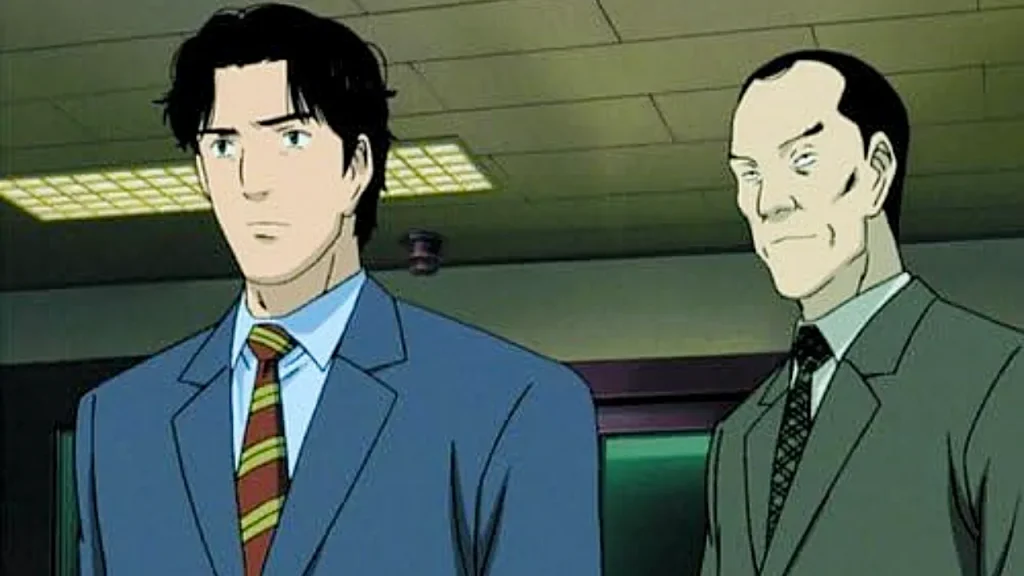
Dr. Kenzo Tenma is a brilliant neurosurgeon with a promising future, until one impossible choice changes everything: saving the life of a young boy instead of a politically valuable patient. The decision costs him his career, his reputation, everything he’d built. Years later, Tenma discovers exactly who that boy grew up to become, and realizes the life he saved may have been the most dangerous mistake of his entire career, one he now has to hunt down and correct himself.
Monster unfolds like a slow-burning psychological thriller rather than a typical anime, built for viewers who want moral complexity over easy answers about good and evil. Its real question lingers long after the credits: does saving a life obligate you to what that person becomes? Widely regarded as one of the greatest psychological thrillers the medium has ever produced, it remains a benchmark for how unsettling and cerebral animated storytelling can get, decades after it first aired.
Dragon Ball Z (1989)
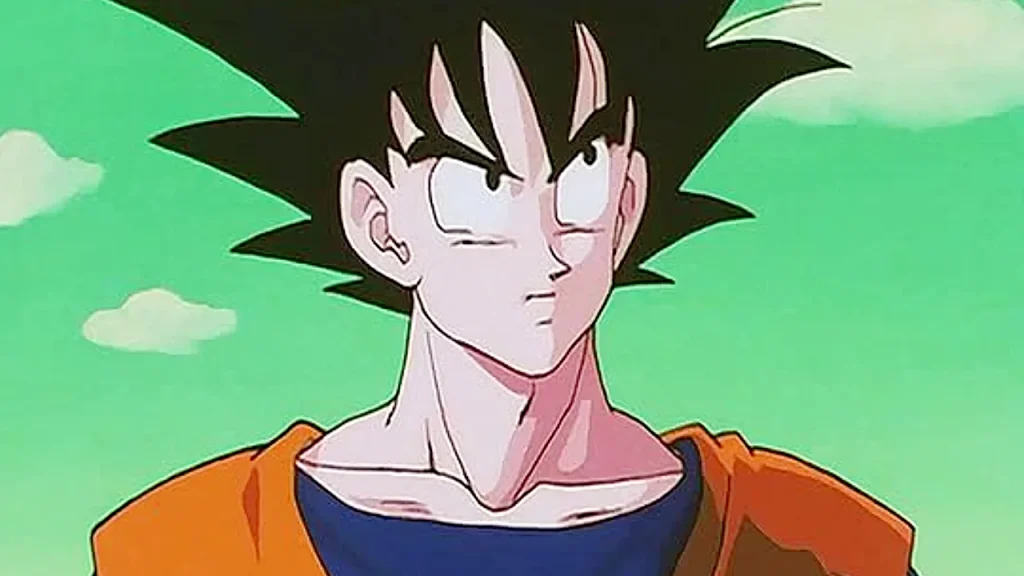
Son Goku isn’t just Earth’s strongest defender — he’s a warrior whose true power he’s still discovering himself. As alien invaders, ruthless tyrants, and enemies from beyond the stars set their sights on his world, Goku is pushed past limits he didn’t know existed, again and again, alongside a found family of fighters who refuse to let the planet fall. Every battle raises the stakes higher than the last and every victory only reveals a bigger threat waiting behind it.
Dragon Ball Z isn’t just an anime — it’s the blueprint nearly every modern shonen series has borrowed from since, built for viewers who want their action escalating, their heroes training relentlessly, and their friendships genuinely powering victories. Its legacy is almost unmatched: it’s widely credited with introducing an entire generation of Western audiences to anime in the first place. Decades later it remains one of the most influential and recognizable entertainment franchises ever created, animated or otherwise.
Sakamoto Days (2025-present)
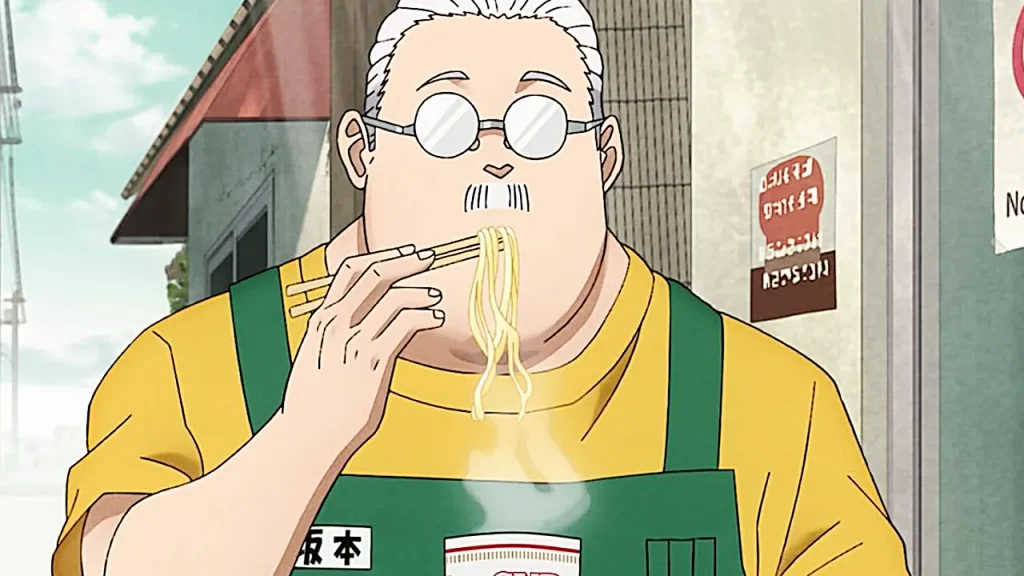
Taro Sakamoto used to be the most feared hitman alive, until he fell in love, got married, and traded a life of contract kills for running a quiet convenience store. Marriage padded his waistline and softened his edge, but not the instincts underneath. When his past life comes looking for him again, Sakamoto has to prove that legendary skill doesn’t disappear it just gets rustier, and funnier, the longer you try to bury it.
Part slapstick comedy, part precision-choreographed action, Sakamoto Days works because it never lets you forget its hero chose an ordinary life on purpose. Fans of shows that blend gag humor with genuinely thrilling fight sequences will find themselves hooked immediately, and beneath the jokes sits something sincere: the people we love can change us more permanently than the lives we used to live. It’s one of the most anticipated anime debuts in recent memory, and it earns the hype.
Hunter x Hunter (2011-2014)
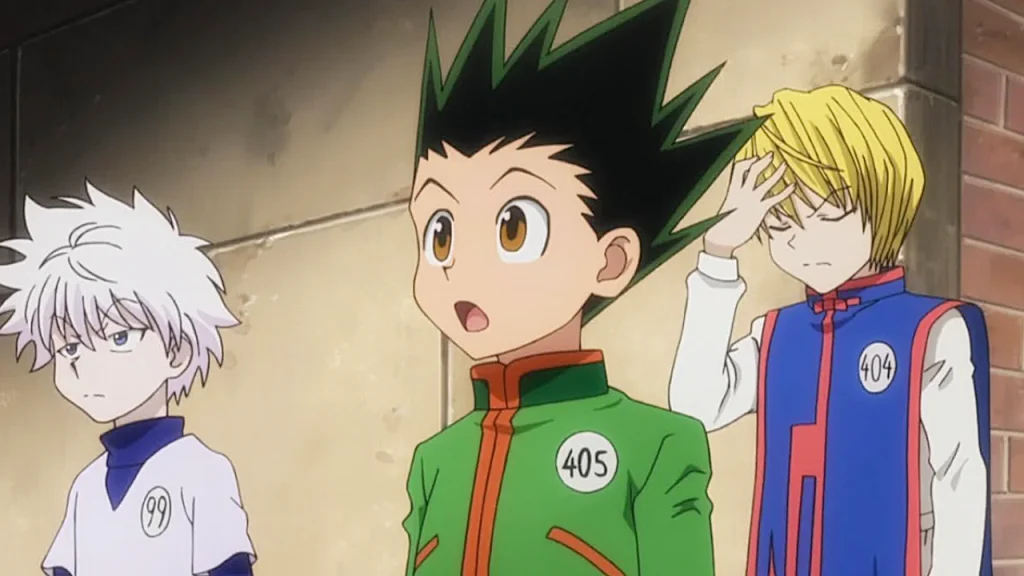
A boy sets off to find the father who abandoned him, chasing a title reserved for the world’s most elite adventurers: Hunter. What starts as a straightforward coming-of-age quest for Gon Freecss quickly reveals itself to be something stranger and darker, as the exam he passes opens the door to a world where power comes at a genuine cost, and morality rarely stays black and white.
Hunter x Hunter anime rewards viewers who want their shonen with teeth – a series willing to let its cast face real consequences, moral compromise, and loss without a tidy answer waiting on the other side. It’s widely considered one of the most intelligently constructed action series ever made, praised for a power system with genuine internal logic and character arcs that refuse easy heroism. For anyone who thinks they’ve outgrown the genre, this is the show that proves them wrong.
Cyberpunk: Edgerunners (2022)
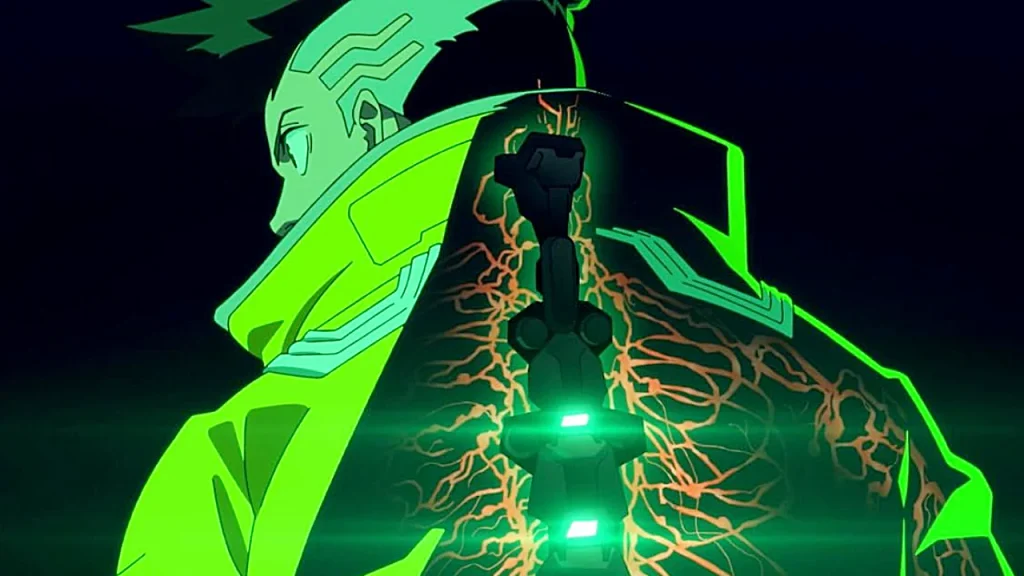
Night City doesn’t offer second chances – only augmentations, ambition, and a body count. After tragedy strips away everything he has, a gifted but reckless teenager named David Martinez claws his way into the city’s mercenary underworld, chasing the kind of power that reshapes both flesh and fate. Every upgrade brings him closer to legend, and closer to losing whatever made him human in the first place.
Studio Trigger’s kinetic, unflinching style makes Edgerunners as visually electric as it is emotionally brutal – this is a tragedy in the classical sense, where ambition and love both come at unbearable cost. It’s essential watching for anyone drawn to cyberpunk’s core question: how much of yourself can you trade away before there’s nothing left? The show made history as the first video-game-based anime to win Crunchyroll’s Anime of the Year, and its success visibly boosted sales of the game it’s based on.
Haikyu!! (2014-2020)
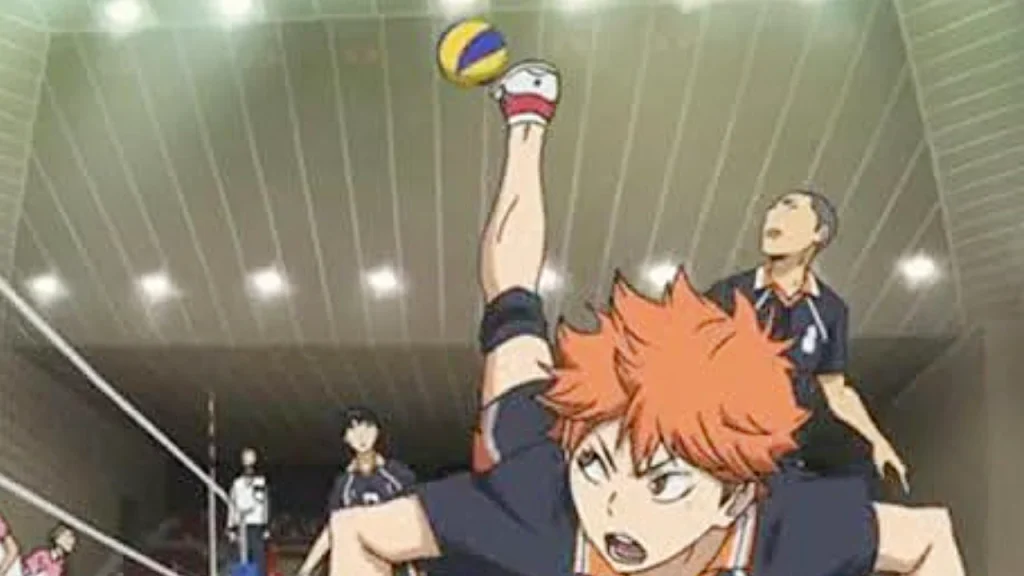
He’s too short for the sport he loves – everyone tells him so. Shoyo Hinata doesn’t listen. Determined to become a volleyball ace despite his height, he joins Karasuno High’s team only to find himself paired with the exact rival who once crushed him on the court: a brilliant, prickly setter named Tobio Kageyama. What follows is less a rivalry than a reluctant, electric partnership neither of them saw coming.
Haikyu!! captures the specific thrill of team sports better than almost anything in the genre, the split-second momentum shifts, the small failures that build toward a single perfect play. It’s ideal for viewers who want their inspiration grounded in sweat and repetition rather than magic. Its real-world influence is remarkable: an NHK documentary credited the series with reviving Japan’s declining school volleyball clubs, and its finale film, Haikyu!!: The Dumpster Battle, grossed roughly ¥10 billion at the Japanese box office.
Must Read – Coyote vs. Acme Proves Warner Bros. Should’ve Never Doubted a Cartoon Coyote
My Happy Marriage (2023-2025)
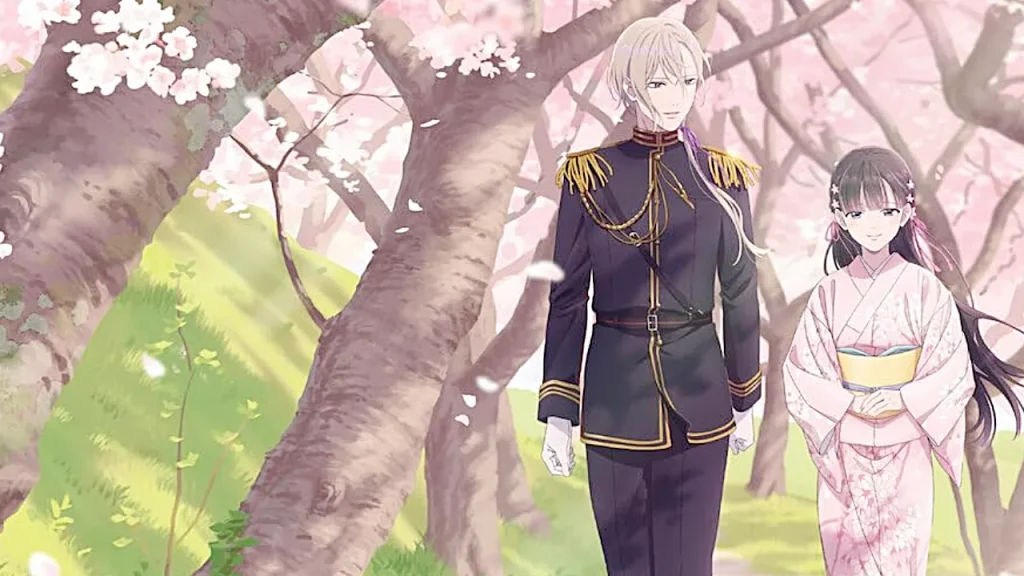
Miyo Saimori has spent her whole life being told she’s worthless, unloved by her family, dismissed for lacking the supernatural gift that defines her world. When she’s married off to Kiyoka Kudo, a cold military officer rumored to destroy every bride sent his way, it looks like one more cruelty in a life full of them. What she finds instead unravels everything she thought she knew about love, and about herself.
This is a slow-burn romance anime built less on chemistry than on repair – watching two guarded people learn, carefully, that they’re allowed to be cared for. It’s a natural pick for anyone who loves healing arcs and quietly devastating emotional payoffs over fast-paced plotting. Adapted from Akumi Agitogi’s bestselling light novel series, My Happy Marriage became one of the genre’s breakout hits, resonating widely with viewers drawn to stories about earning, rather than simply finding, happiness.
Anime has never been more accessible, or more worth taking seriously, than it is on Netflix right now.